



When starting from waiting for a traffic light, it stumbles with a “goo”, and even if you step on the accelerator, it does not move forward——。
It is a symptom that is often consulted in VW cars, and the cause spreads not only to the engine but also to the transmission and sensor system.
In particular, multiple factors such as poor clutch connection of DSG, insufficient turbocharging, disturbance of the intake system, and weakness of the fuel system appear in the form of “heavy starting”.
If left untreated, it may lead to poor acceleration, deterioration of judder, and even the onion of the warning light.
In this article, we will explain the causes of heavy starting, how to distinguish it, and even repair costs.
▼Driving problem diagnosis guide▼
👉Comprehensive summary of causes of poor running
- Common symptoms
- There are four main causes (by structure)
- Cause (1) :DSG clutch connection defect (most common)
- Cause 2: Insufficient turbocharging (boost leakage/turbo deterioration)
- Cause 3: Insufficient power in the intake, ignition, and fuel systems
- Cause 4: Brake drag (loss of power)
- Points that can be checked in DIY
- Is it okay to drive? (Urgency)
- Approximate repair cost
- Related parts to check at the same time
- summary
- What to read next
- Details of defects by vehicle type
- Frequently Asked Questions (FAQ)




Common symptoms
- It’s hard for the car to come forward even though I’m stepping on the accelerator
- Weak creep (the force to move forward just by releasing the brake)
- Strong jerky feeling of stopping → starting
- The engine speed goes up, but the car runs heavily.
- Vibration and judder when starting
- I feel a lack of strength when starting on a hill
There are four main causes (by structure)
- Poor clutch connection and misalignment of DSG (mission) learning values
- Lack of turbo supercharging (boost leakage, turbo deterioration)
- Insufficient power in the intake, ignition, and fuel systems
- Dragging and dragging of the brake system (eating up power)
Cause (1) :DSG clutch connection defect (most common)
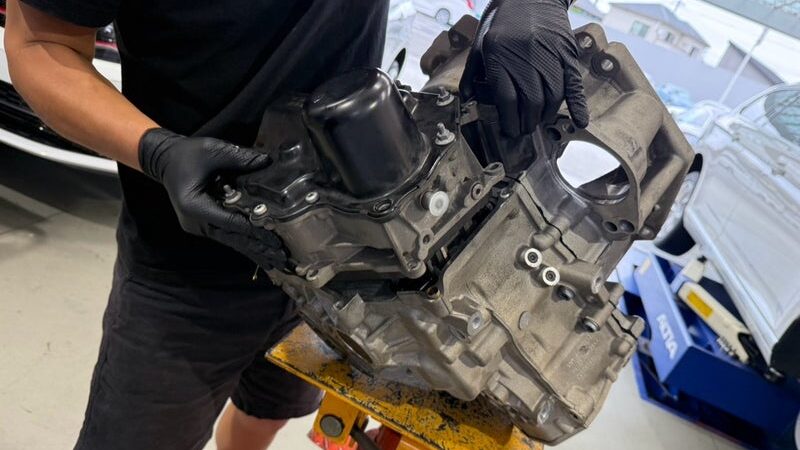
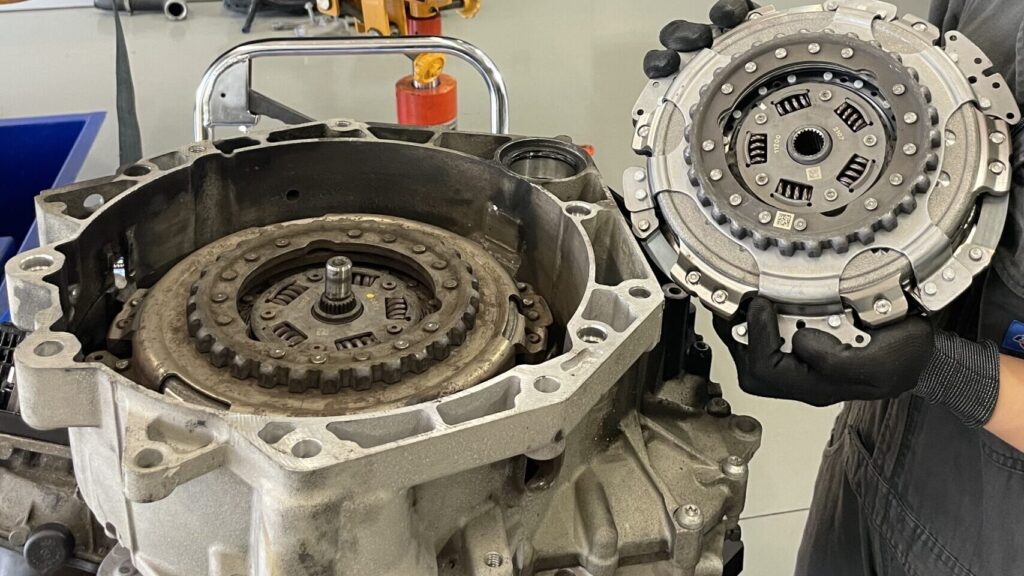
When does it happen?
- Stop → Start is extremely heavy
- Weak creep/Suddenly strong creep
- Shaking and trembling when starting
Why do these symptoms occur?
DSG uses two clutches to change gears, with
the first-gear clutch primarily responsible for starting off.
If the clutch learning value becomes misaligned or wear progresses,
- Half clutch is longer
- Connection is delayed
- Power escapes
This can cause the car to become extremely slow when starting off .
What happens if you leave it alone?
- Worsening judder
- Accelerated clutch wear
- Eventually, the problem develops into a gear not engaging.
Cause 2: Insufficient turbocharging (boost leakage/turbo deterioration)
When does it happen?
- No power immediately after starting
- The rotation speed increases but the speed does not increase.
- A whooshing or squealing noise occurs when accelerating
Why do these symptoms occur?
When starting a turbocharged vehicle,
the boost pressure that builds up from low revolutions is extremely important .
If any of the following problems occur, the boost will not build up sufficiently and the engine will feel heavy.
- Crack in intake hose
- Intercooler damage
- Turbo actuator failure
- Wastegate stuck
What happens if you leave it alone?
- Poor acceleration worsens
- Load on the turbo body → Early failure
- Deterioration in fuel economy
Cause 3: Insufficient power in the intake, ignition, and fuel systems
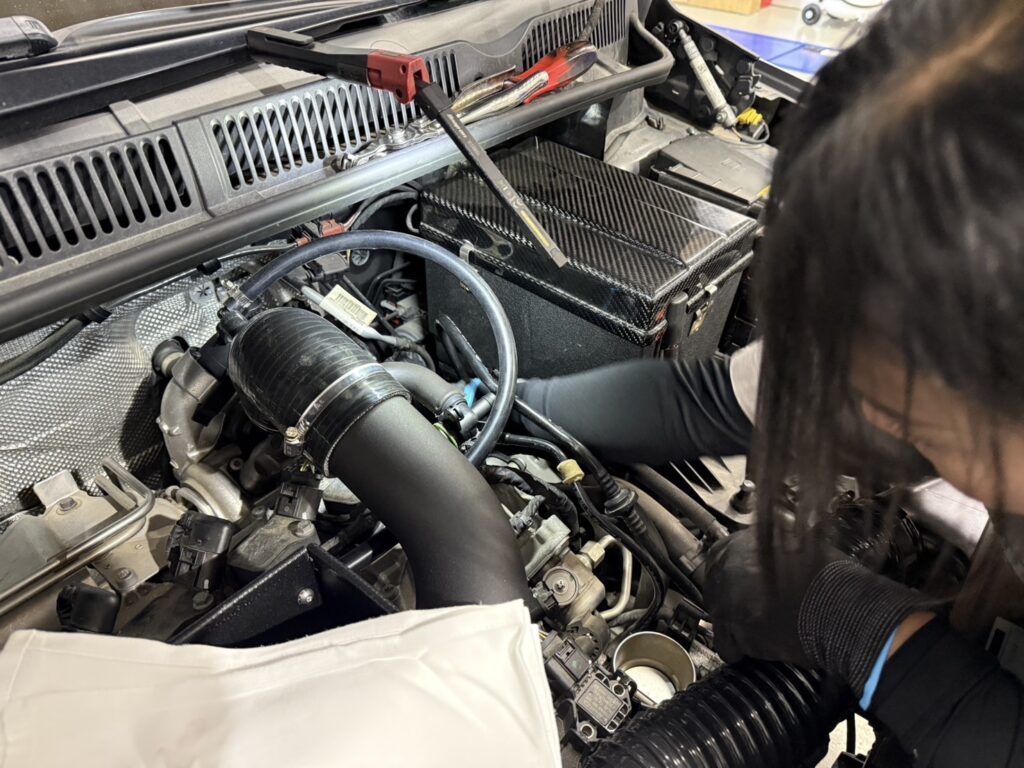
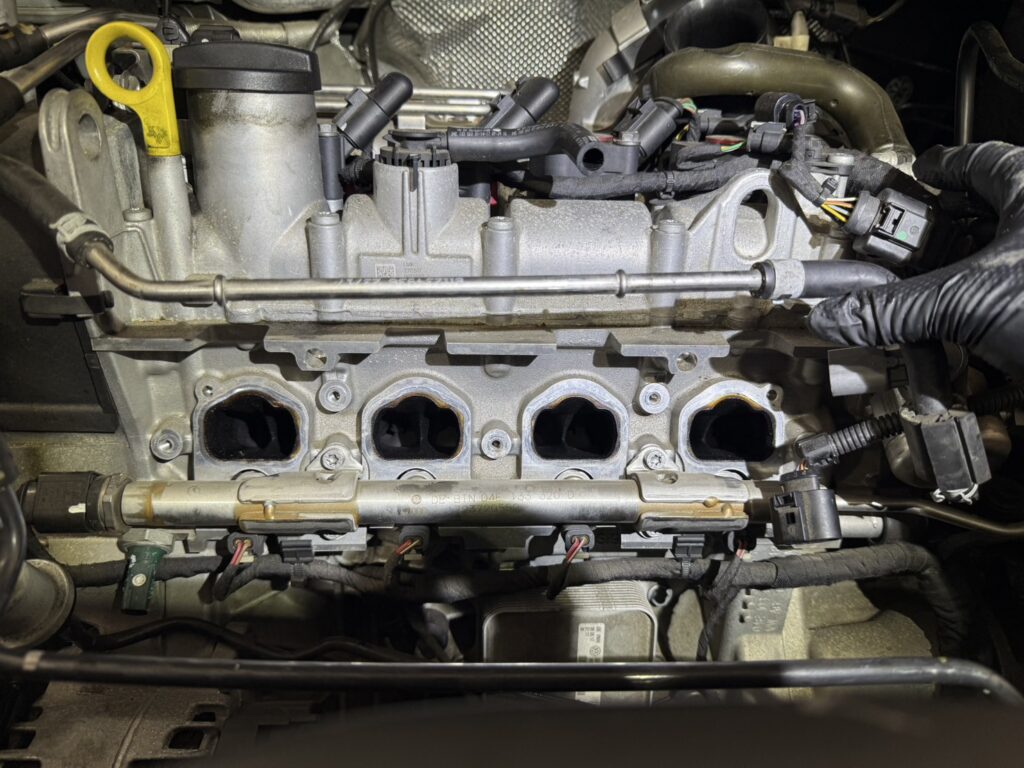
When does it happen?
- Idling is weak
- Slow response only when starting
- The engine sound is heavy and uneven
Why do these symptoms occur?
Even slight disturbances in the intake volume, ignition timing, or fuel injection volume will result in
a lack of low-speed torque, resulting in heavy starting .
Typical example:
- Throttle dirt
- MAF sensor malfunction
- Weak plug coil
- Low fuel pump pressure
What happens if you leave it alone?
- Misfire
- Warning light on
- Deterioration of accelerator response
Cause 4: Brake drag (loss of power)
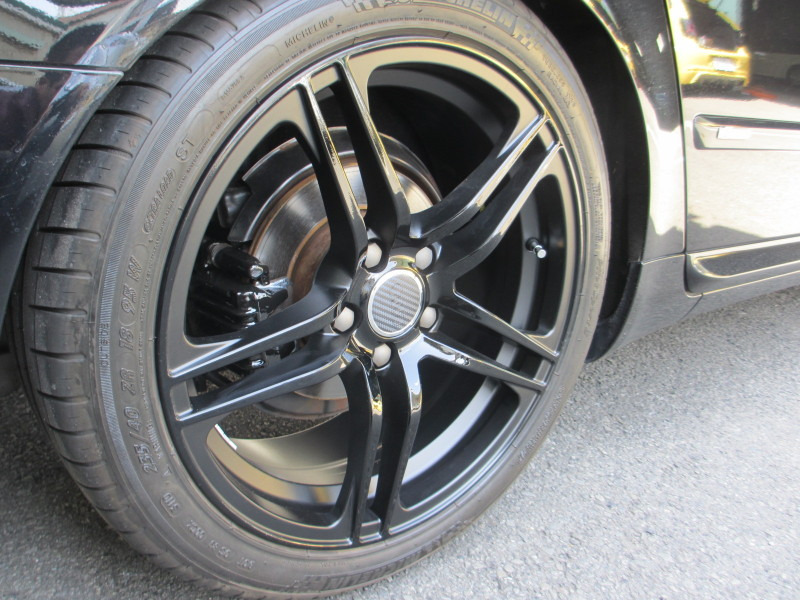
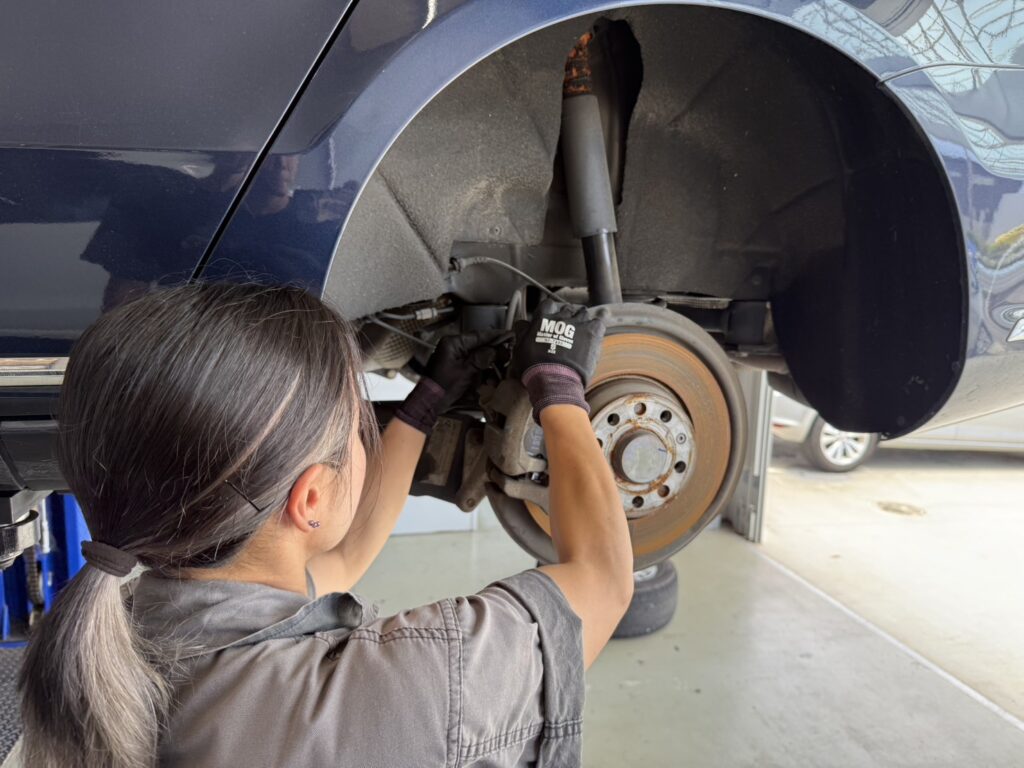
When does it happen?
- Not only is it heavy to start, but coasting is also slow.
- Hub or wheel is hot on one side only
- Squeaking noise at low speeds
Why do these symptoms occur?
If the caliper slide pin sticks or the pads do not return properly, the brakes may
always lightly hit the ground .
the result,
- Power is consumed
- Starting becomes difficult
- Brake wear also increases
This creates a vicious cycle.
What happens if you leave it alone?
Deterioration in fuel economyll have.
Brake seizure
Rotor deformation
Points that can be checked in DIY
- Creep strength when releasing the brake on a hill
- Presence or absence of vibration immediately after launch
- Wheel hub temperature (dragging if only one side is hot)
- Idling stability
- Change in supercharging sound when accelerator ON/OFF
- Check error codes in OBD2
*Early inspection is recommended because it is difficult to make a DIY decision on the transmission and turbo system.
Is it okay to drive? (Urgency)
- Can be driven for a while: Slight learning value deviation, light intake dirt
- Risk of worsening symptoms: insufficient turbocharging, weak ignition system
- Driving NG (towing recommended): Brake drag, strong judder, and extreme power
When a driving problem occurs, it may be necessary to tow the truck depending on the situation.
In these cases, it may be covered by road assistance or riders of automobile insurance, so it is safe to lightly review the contents of your current contract.
If you may not have a proper understanding of the coverage, you can use a comparison service to check the coverage details and premiums of multiple companies at once. Since you can get a complete picture in a short time, many people use it for repairs and inspections.
👉 Free Car Insurance Bulk Quote Service
Approximate repair cost
| Work Description | Approximate cost |
|---|---|
| DSG Learning Value Reset | 5,000 to 12,000 yen |
| Clutch Inspection and Adjustment | 10,000 to 25,000 yen |
| Intake Hose Replacement | 8,000 to 18,000 yen |
| Turbo Actuator Adjustment | 10,000 to 25,000 yen |
| MAF Cleaning | 3,000 to 8,000 yen |
| Plug and coil replacement | 15,000 to 35,000 yen |
| Caliper maintenance (drag improvement) | 10,000 to 25,000 yen |
| Diagnosis fee | 5,000 to 10,000 yen |
You can scroll
*Since multiple factors are easily intertwined, early inspection is cheaper as a result.
👉Summary of maintenance and custom costs & working days of VW specialty store Nile Plus
Related parts to check at the same time
- DSG Clutch Learning Values
- Throttle body
- MAF Sensor
- Plug Coil
- Intake Hose
- Turbo Actuators
- Brake Caliper Slide Pin
▼Articles on the causes, costs, and effects of breakdowns and maintenance▼
summary
The causes of heavy starting are many, including poor DSG clutch engagement, insufficient turbocharging, weak intake, ignition, or fuel systems, and brake drag.
Torque disturbances are most likely to be present when starting, and if left unchecked, they can lead to worsening judder, clutch wear, and turbo failure.
Early diagnosis is both safe and economical.
Even if the symptoms are similar, the cause will vary from vehicle to vehicle.
Even if the same strange noise or malfunction occurs, there may be various causes, such as turbo, belt, or sensor.
If you are unsure, it is best to have it checked at a repair shop.
What to read next
Please see the article below based on which of your symptoms best describes you.
- Heavy Launch or No Forward Movement Despite Pressing the Accelerator
- Loses Power Uphill but Runs Fine on Flat Roads: Causes and What to Check
- Causes of slow acceleration and strange noises | How to tell by the type of noise
- No Power When Merging at Highway Speed: Causes of Poor RPM Climb
- Causes of cars not following only when the rotation rises|Typical causes when not accelerating
- Causes of breathing and jerking when accelerating rapidly
- Checkpoints when acceleration is slow when overtaking|Summary of causes of not stretching
- Idling is normal, but the cause is sluggish acceleration at the moment of starting
- Why Does My Car Hesitate When I Press the Accelerator?Causes of Delayed Throttle Response
- Causes of vibration when accelerating|Symptoms of not moving forward + shaking
- Causes of acceleration changes with temperature and humidity|Reasons why power changes with seasons
Details of defects by vehicle type
Even if the “way” of the malfunction is similar, “which model has the most common problems” differs slightly depending on the model.
The following page summarizes the trends by model and common malfunction cases among other owners.
Frequently Asked Questions (FAQ)
Q1. When the car doesn’t move forward even when you step on the accelerator, what should you check first?
A. Check the strength of the creep, vibration when starting, wheel temperature (is one side hot?), idling stability, changes in supercharging noise, etc. These will give you a rough idea of whether the problem lies with the DSG, turbo, brakes, or intake system.
Q2. How do you distinguish between a faulty DSG clutch and insufficient turbo boost?
A. If you experience jerky behavior such as slow engagement or a sudden jerk when starting, it’s likely a DSG. On the other hand, if the acceleration is poor, there’s a hissing noise, or the engine speed just increases, the turbo (hose cracks or boost leak) is suspected.
Q3. Is it okay to continue driving even if this symptom occurs?
A. If the learning value is only slightly off, you can continue driving, but if there is a significant lack of turbo boost, or if there is brake drag or strong judder, we recommend having the vehicle towed. Overheating of one side of the brake is particularly dangerous.
Q4. How much does the repair cost?
A. A DSG learning value reset will cost 5,000 to 12,000 yen, an intake hose replacement will cost 8,000 to 18,000 yen, a spark plug and coil replacement will cost 15,000 to 35,000 yen, and brake drag improvement will cost 10,000 to 25,000 yen. The cost will increase if there are multiple causes.
Q5. Are there cases where the problem can be solved by DIY?
A. Light cleaning of the throttle and MAF and checking for error codes are possible, but DSG, turbo, and brake dragging are difficult to diagnose by DIY, and misdiagnosis can make the problem worse. If the symptoms persist, we recommend having it inspected at a specialized workshop as soon as possible.




コメント